
Fire Ant Season in Alabama: Prevention Before They Take Over Your Yard
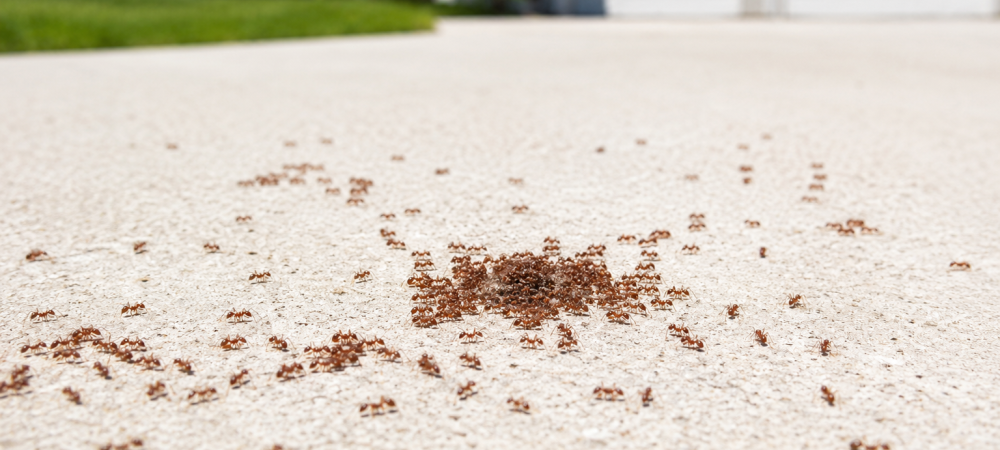
Fire ant season in Alabama peaks when a warm day follows rain that came after a dry spell, since that specific combination triggers mass mating swarms and new colonies can pop up across a yard almost overnight. Getting ahead of that window, rather than reacting once mounds are already everywhere, is the difference between a quick prevention step and a yard-wide problem by midsummer. Here's what actually works, and why treating the mounds you can see usually isn't enough on its own.
Quick answer: Fire ant activity in Alabama builds through spring and continues into fall, spiking on warm days after rain follows a dry period. The most effective prevention combines a broadcast bait treatment across the whole yard with spot treatment of individual mounds, since treating mounds alone won't stop colonies you haven't spotted yet.
In This Guide
When Fire Ant Season Peaks in Alabama
Fire ant swarming activity in Alabama runs from spring through late fall, and the Alabama Cooperative Extension System notes it spikes specifically on warm days that follow rain after a dry spell. During a swarm, winged males and females mate in the air, sometimes hundreds of feet up, and successful females land, shed their wings, and burrow into the ground to start an entirely new colony within days. Fire ant swarmers are also drawn to reflective surfaces, which is why a swarm often ends up scattered across a pool or pond on the same afternoon it happens.
How to Identify a Fire Ant Mound
A fire ant mound is a loose, dome-shaped pile of soil with no visible entry or exit hole, which sets it apart from many other ant species that leave an obvious opening at the center. A single colony can hold more than 200,000 workers, all connected through a maze of underground tunnels beneath that mound. Fire ants themselves are dark red to brown with a narrow waist marked by two small bumps, and they favor open, sunny parts of a yard over shaded areas.
Why Fire Ants Are Hard to Get Ahead Of
Fire ants respond aggressively the moment their mound is disturbed, and with a colony that size, a disturbance can mean dozens of workers stinging within seconds. That defensive response is what makes hand-removal risky, not curiosity or territory outside the mound itself, since fire ants generally aren't seeking people or pets out unprompted. It's also why a yard with several active mounds can go from a minor nuisance to a real hazard for kids and pets faster than most homeowners expect.
The Mound Treatment Myth
Treating the mounds you can see does not stop fire ants from taking over a yard, because it does nothing for the colonies that haven't surfaced a visible mound yet. Individual mound treatment kills ants faster, but the Alabama Cooperative Extension System notes it's typically paired with a broader bait application precisely because spot-treating alone leaves untouched colonies free to expand into the very areas you just cleared.
A Two-Part Approach to Prevention
The most effective prevention combines a broadcast bait application across the entire yard with individual mound treatment for anything that shows up afterward. Broadcast bait reaches colonies you haven't spotted yet, since foraging workers carry it back underground and share it through the colony, including the queen. Individual mound treatment then handles anything that surfaces in the meantime, giving a yard coverage from both directions rather than relying on one method alone.
Fire Ant Prevention Checklist
- Broadcast a fire ant bait across the whole yard before peak swarm season hits in spring
- Apply bait on a dry day with no rain expected for several hours, so it isn't washed away before ants find it
- Treat individual mounds as they appear rather than waiting for a colony to fully establish
- Keep grass mowed and edges trimmed, since fire ants favor open, sunny ground over dense shade
- Avoid disturbing a mound directly, since doing so triggers an immediate, coordinated defensive response
- Watch closely for new mounds after a warm day following rain, since that's when swarms are most likely
When to Call a Professional
If mounds keep reappearing after a broadcast treatment, or your yard borders an open field or a neighborhood with an active fire ant problem, it's worth bringing in a professional program instead of repeating DIY treatment on your own. A yard next to untreated land will keep getting reinvaded no matter how thoroughly it's treated, so ongoing monitoring matters as much as the initial application in that situation.
Frequently Asked Questions
When does fire ant season start in Alabama?
Fire ant activity increases through spring and continues into fall, with swarming most likely on a warm day within a day or two after rain that follows a dry spell.
Does pouring boiling water on a fire ant mound work?
It can kill some of the ants in a treated mound, but it often fails to reach the queen and doesn't address any of the other colonies already established nearby, so mounds frequently reappear.
Are fire ants aggressive, or do they only sting when provoked?
Fire ants respond aggressively specifically when their mound is disturbed, sending workers out to sting in defense, rather than seeking out people or pets unprompted.
How can I tell a fire ant mound from a regular anthill?
A fire ant mound is a loose, dome-shaped pile of soil without a visible entry or exit hole, while many other ant species leave an obvious opening at the center of their mound.
Can I prevent fire ants without ongoing treatment?
A single broadcast treatment can reduce a fire ant population significantly, but new queens can still fly in from neighboring properties, so periodic reapplication and mound checks are part of keeping a yard clear long term.
Ready to Get Ahead of Fire Ant Season?
Already seeing mounds pop up, or just want to get ahead of it this year? Call Envirogreen at 334-246-3131 and we'll help you figure out the right next step.
Sources: Alabama Cooperative Extension System, "Swarming Fire Ants," aces.edu/blog/topics/lawn-garden/swarming-fire-ants/. Alabama Cooperative Extension System, "Fire Ants in Hemp," aces.edu/blog/topics/crop-production/fire-ants-in-hemp/. Alabama Cooperative Extension System, "Managing Fire Ants with Baits," aces.edu/blog/topics/crop-production/managing-fire-ants-with-baits/.