
In2Care® vs. Traditional Mosquito Spraying: What's the Difference?
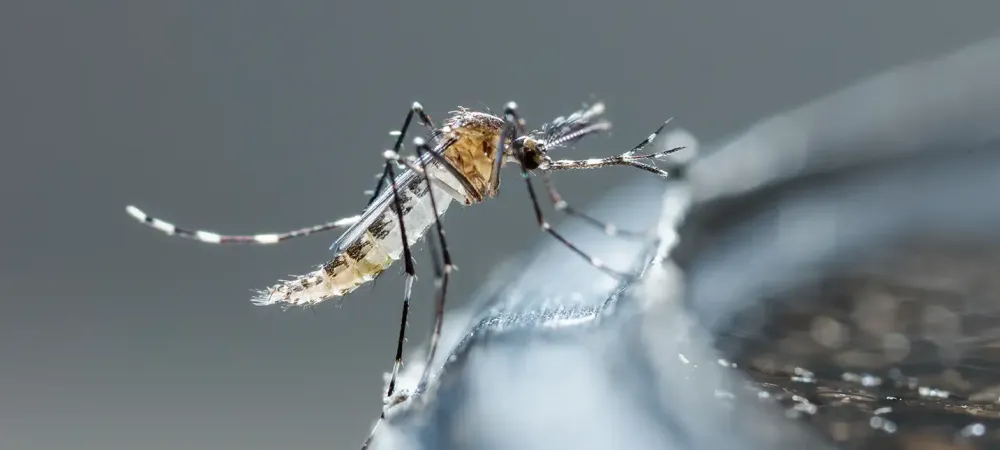
If you've ever hired someone to spray your yard for mosquitoes and still found yourself covered in bites two weeks later, you're not imagining it. Traditional mosquito spraying and a system like In2Care aren't the same tool doing the same job in different packaging: they target mosquitoes at different points in their life cycle, and understanding that difference is the key to actually getting your yard back this season.
Quick answer: Traditional mosquito spraying kills adult mosquitoes on contact and provides fast, short-term relief. In2Care targets mosquitoes where they breed, using a self-spreading process that keeps working on eggs and larvae for weeks. Most Eastern Alabama yards see the best results from a program that uses both.
In This Article
What In2Care Mosquito Control Actually Does
The In2Care Mosquito Station is a small, water-filled unit designed to look and smell like an ideal egg-laying spot to a female mosquito. Once she lands on it, she picks up a combination of an insect growth regulator and a naturally occurring fungal agent, then flies off to lay eggs at other nearby standing-water sites, carrying those compounds with her.
How Auto-Dissemination Spreads Control
That's the part that makes the system different from a typical trap: the mosquito doesn't need to be caught to be neutralized. This process, known as auto-dissemination, means one contaminated mosquito can affect breeding sites you'd never be able to spray directly, like a clogged gutter or a low spot in a neighbor's yard. The EPA notes that targeting mosquitoes at the larval stage, before they mature and disperse, gets more out of every application while reducing how much product needs to be used more broadly. In2Care Stations are registered for professional use and are built specifically for container-breeding species like Aedes and Culex mosquitoes, the two groups most commonly linked to West Nile virus and other mosquito-borne illness in the Southeast.
How Traditional Mosquito Spraying Works
Traditional barrier spraying (sometimes called adulticiding) applies an EPA-registered product to vegetation, shaded areas, and other spots where adult mosquitoes rest during the day. It works on contact, which is why it's effective for knocking down an active population fast, especially before an outdoor event or during a heavy activity week.
The tradeoff is that it only reaches mosquitoes that are out and resting in the treated zone at the time of application. It doesn't touch eggs or larvae sitting in standing water, so a new generation can hatch out within days. The CDC's guidance on integrated mosquito management is direct about this: source reduction eliminates egg-laying sites, but larvicides are still needed wherever those sites can't be removed or modified, and adulticides work best alongside that effort rather than as a standalone fix.
In2Care vs. Traditional Spraying: Key Differences
| Factor | In2Care Station | Traditional Spraying |
|---|---|---|
| Life stage targeted | Eggs, larvae, and adults | Adults only |
| How it works | Auto-dissemination spreads control agents to breeding sites beyond the station | Direct contact kill at the time of application |
| Duration of impact | Continuous, refreshed roughly every 4 weeks | Days, then activity typically returns |
| Reach | Extends to nearby untreated breeding sites | Limited to the physical area sprayed |
| Best used for | Long-term population reduction across a property | Fast relief before an event or peak activity |
Why Envirogreen Uses Both in Eastern Alabama
Neither method covers everything on its own, which is why our mosquito program pairs a barrier spray for immediate relief with In2Care Stations placed around known breeding areas for sustained control. Because the In2Care system works in a contained station rather than being broadcast across the whole yard, it minimizes exposure to pollinators and other beneficial insects compared to wide-area spraying alone.
Built for Alabama's Wet Season
Eastern Alabama's humid summers and heavy seasonal rainfall create no shortage of standing water for mosquitoes to use, from clogged gutters to low-lying yard spots across our Lee, Chambers, and Tallapoosa County service areas. That's a lot of ground to cover, which is exactly the kind of problem auto-dissemination is built to solve. As with every Envirogreen program, there's no long-term contract required, and if activity picks back up between visits, we'll come back out and re-treat at no extra cost.
Mosquito Prevention Tips You Can Start Today
- Empty or refresh any standing water in bird baths, plant saucers, and pet bowls every few days
- Clear clogged gutters so rainwater doesn't pool along your roofline
- Check tarps, tire swings, and children's toys for collected rainwater after a storm
- Keep grass and shrubs trimmed, since mosquitoes rest in shaded, overgrown vegetation during the day
- Repair torn window and door screens to keep mosquitoes from getting inside
When to Call a Professional Mosquito Control Team
DIY prevention helps, but it rarely solves a real infestation on its own, especially on a larger property or one bordering wooded areas, creeks, or drainage ditches where you can't eliminate every breeding site by hand. If you're still getting bitten in your own backyard after doing everything above, or you're concerned about mosquito-borne illness because of young kids, pets, or someone in the home who's more vulnerable, that's the point to bring in a professional program that can treat both the adult population and the breeding sites driving it.
Ready to Take Your Yard Back?
Envirogreen's mosquito programs combine barrier treatments with In2Care Stations for lasting control across Eastern Alabama, with no contracts and free re-treatments if mosquitoes come back.
Sources: U.S. Environmental Protection Agency, "Success in Mosquito Control: An Integrated Approach," epa.gov/mosquitocontrol/success-mosquito-control-integrated-approach. Centers for Disease Control and Prevention, "Integrated Mosquito Management," cdc.gov/mosquitoes/php/toolkit/integrated-mosquito-management-1.html.