
Spiders in Alabama: Which Ones Are Dangerous and When to Call a Pro

Only five spider species found in Alabama are considered medically significant, according to the Alabama Cooperative Extension System: the black widow, the northern black widow, the brown recluse, the Chilean recluse, and the Mediterranean recluse. Out of the roughly 34,000 spider species known worldwide, that's a very short list, and most spiders you'll actually run into around your home pose no more risk than an ant bite. The five that do matter are worth knowing on sight, along with a couple of harmless look-alikes that get mistaken for them constantly.
Quick answer: In Alabama, the black widow and brown recluse are the two spiders worth real concern indoors. Wolf spiders and daddy long legs look alarming but are harmless, despite their reputations. If you spot a black widow or brown recluse inside your home, that's the point to call a professional rather than handle it yourself.
In This Article
Which Spiders in Alabama Are Actually Dangerous
The Alabama Cooperative Extension System identifies five spiders in the state as potentially harmful to people: the black widow, the northern black widow, the brown recluse, the Chilean recluse, and the Mediterranean recluse. Nearly every other spider you'll encounter, including the large, fast-moving ones that look the most intimidating, carries venom too weak to cause more than mild, temporary discomfort. That distinction matters because it means the vast majority of spiders you'll find in or around an Alabama home are worth leaving alone rather than worrying about.
How to Identify a Black Widow
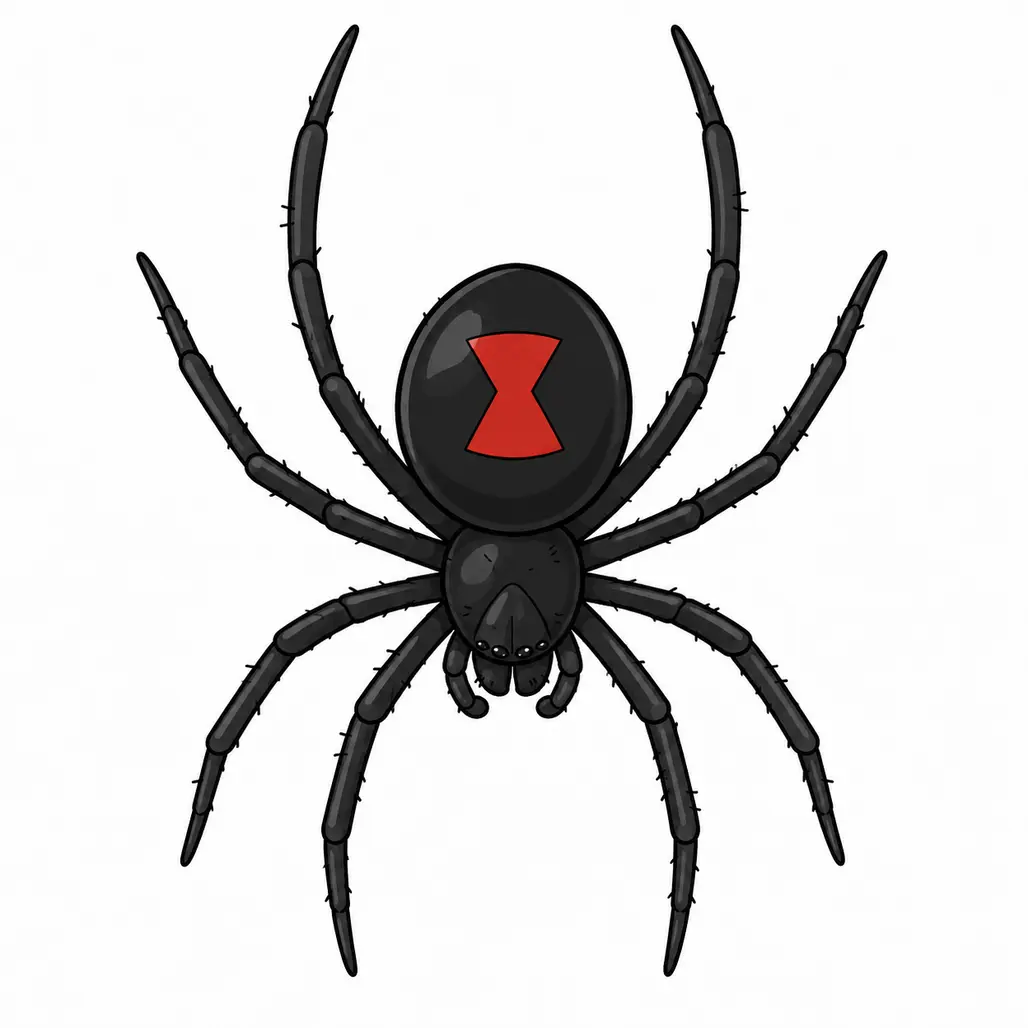
A black widow is a shiny, jet-black spider with a distinctive red hourglass marking on the underside of its round, bulb-shaped abdomen. Only the females bite, and they're the ones you're most likely to notice, since males are smaller and rarely seen. Black widows favor undisturbed, dark spaces like woodpiles, garages, sheds, and crawl spaces rather than open, high-traffic areas of a home.
How to Identify a Brown Recluse
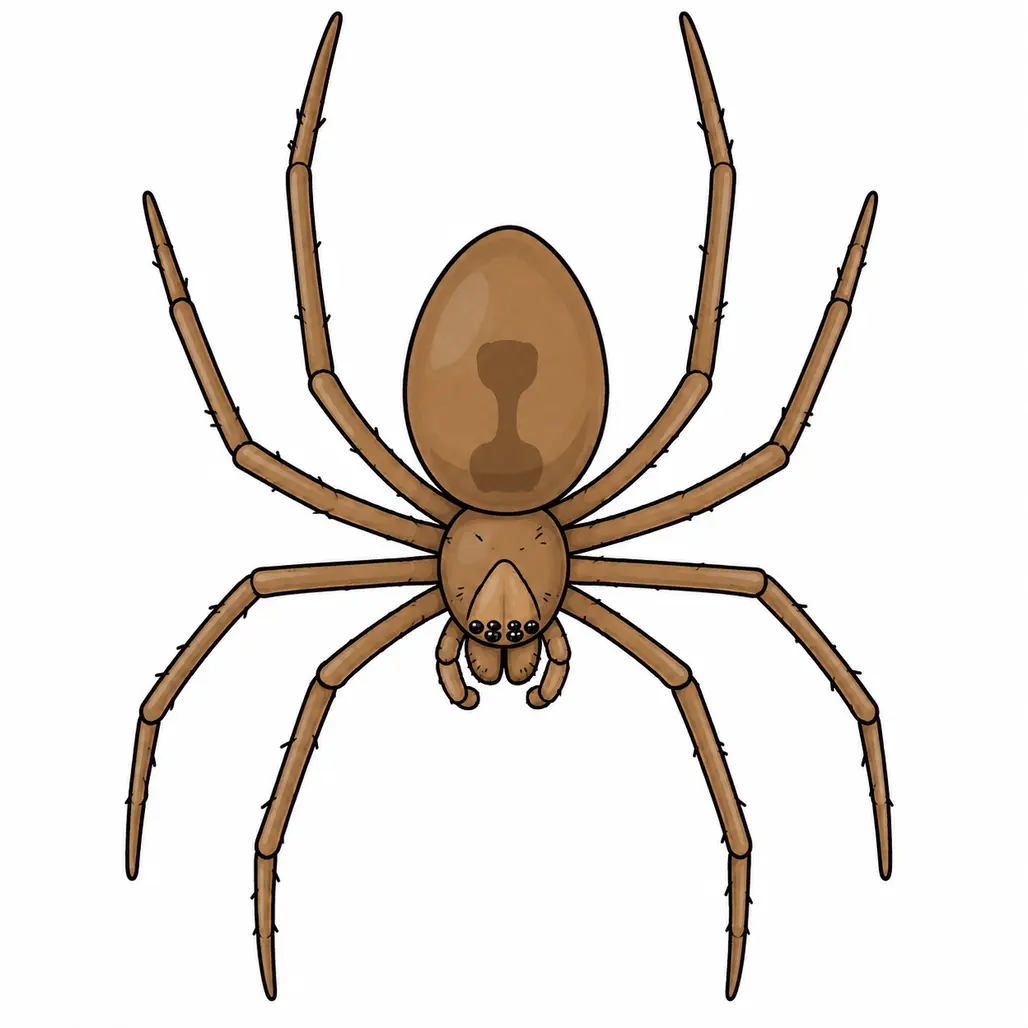
A brown recluse is light to medium brown with a darker, violin-shaped marking on the front section of its body, just behind the head. They favor dark, undisturbed areas like attics, closets, basements, and wall voids, and unlike black widows, they don't build a noticeable web to catch prey. Brown recluse bites can cause a slow-healing wound in some cases, which is part of why identifying one correctly, rather than assuming any brown spider is one, actually matters.
The Wolf Spider Mix-Up
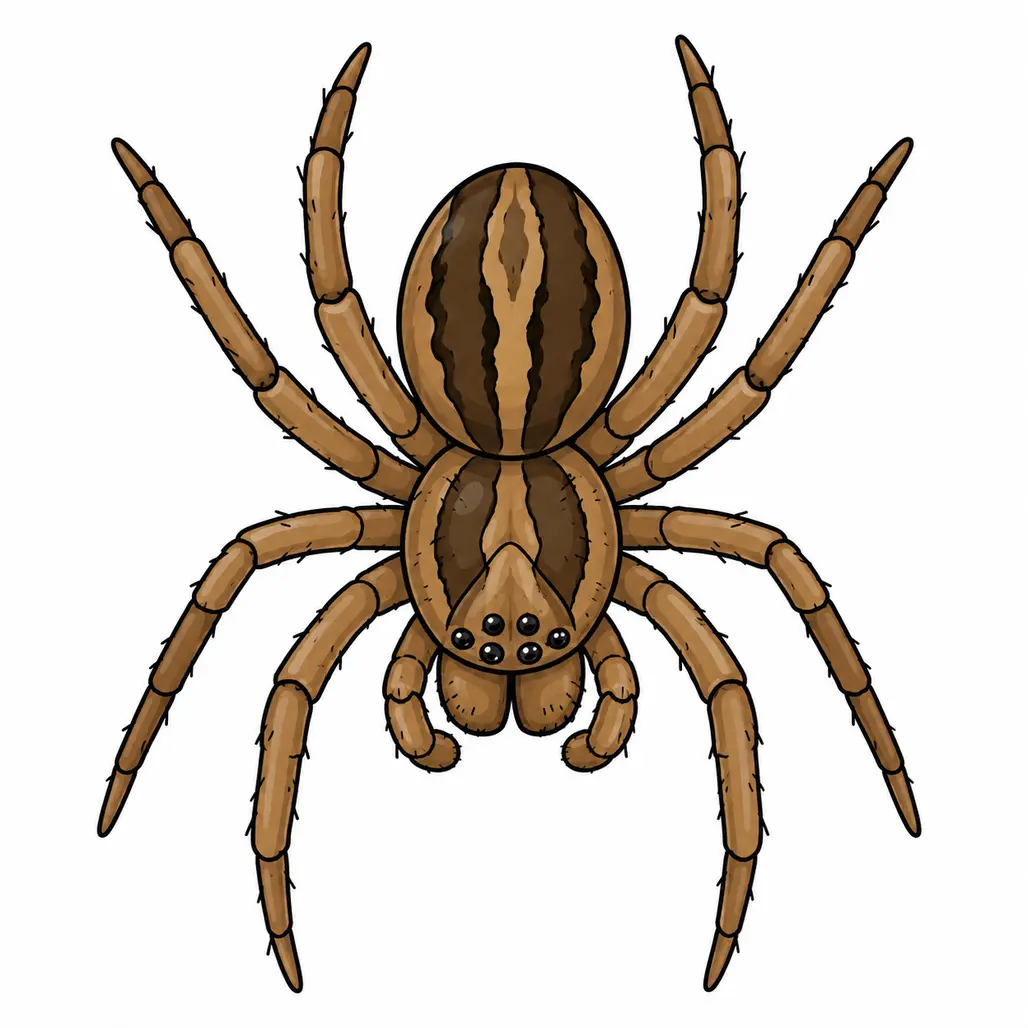
Wolf spiders get mistaken for brown recluses constantly because of their similar brown coloring and larger size, but they are harmless. A wolf spider has no violin-shaped marking, doesn't spin a web, and hunts prey on the ground rather than hiding in one spot waiting for it. Its bite can be painful in the moment, similar to a bee sting, but it isn't medically significant the way a brown recluse bite can be.
Two Spider Myths Worth Retiring
Daddy long legs, more accurately called cellar spiders or harvestmen, are often described as the most venomous spiders alive that simply can't bite through human skin. That claim has no scientific basis and isn't supported by any credible research; these spiders pose no medically significant threat to people at all. The second myth worth retiring is that spiders, including the medically significant ones, are aggressive toward people. According to the Alabama Cooperative Extension System, bites typically happen when a spider is accidentally disturbed or trapped, not because it went looking for a confrontation.
When to Call a Professional
A single harmless spider indoors usually isn't worth a service call, but a black widow or brown recluse sighting, especially a repeated one, is a good reason to bring in a professional inspection. Recurring sightings often mean an established nesting area nearby, in a wall void, crawl space, or storage area, that's worth locating and addressing rather than just removing spiders as you see them.
| Feature | Black Widow | Brown Recluse | Wolf Spider |
|---|---|---|---|
| Appearance | Shiny black, red hourglass marking on abdomen | Light to medium brown, violin-shaped marking | Large, brown, hairy, no distinct marking |
| Habitat | Woodpiles, garages, sheds, crawl spaces | Attics, closets, basements, wall voids | Ground level, garages, basements |
| Web | Builds an irregular web | No noticeable web | No web, hunts on the ground |
| Medically significant | Yes | Yes | No |
If someone is bitten and you aren't sure which spider was responsible, note the time of the bite and watch for pain, swelling, or spreading redness. Seek medical attention if symptoms develop or worsen. This is general safety information, not medical advice.
Spotted a Spider You're Not Sure About?
Not sure if what you're seeing is a real problem or just a harmless visitor? Call Envirogreen at 334-246-3131 and we'll help you figure out the right next step.
Sources: Alabama Cooperative Extension System, "Black Widow and Recluses: Avoiding Venomous Spiders of the Southeast," by Amber C. Marable, Mark D. Smith, and L.C. "Fudd" Graham, aces.edu/blog/topics/home/black-widow-and-recluses/.