
Termite Swarming Season in Alabama: When to Expect It and What to Do
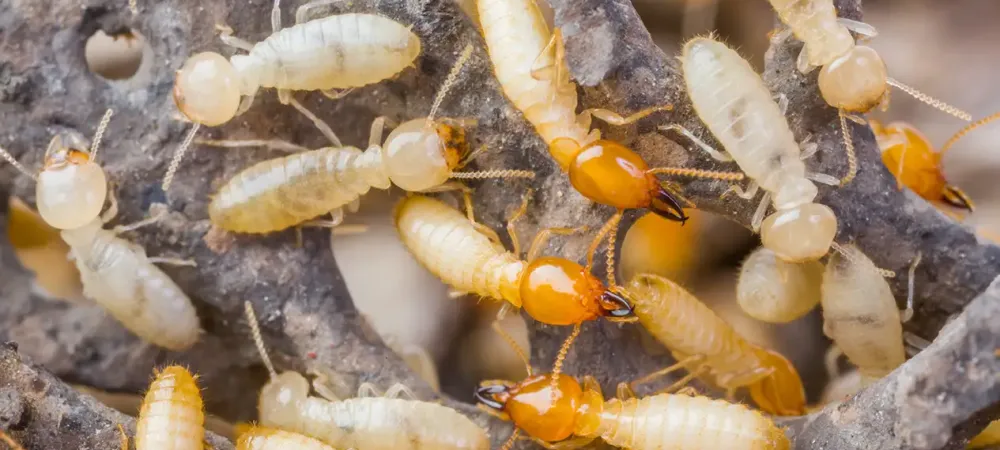
If you've ever stepped outside on a warm spring day in Eastern Alabama and walked into a cloud of small winged insects near your foundation, you may have just witnessed a termite swarm. It's one of the few moments termites are actually visible above ground, and knowing what you're looking at, and what to do next, can be the difference between catching a problem early and finding out about it later through a repair bill.
Quick answer: In Alabama, termite swarming season typically runs from February through May, with swarms usually showing up on warm days right after rain. If you see winged termites, or piles of their discarded wings, indoors, it's a sign of an active colony nearby and worth a professional inspection right away.
In This Article
When Termite Swarming Season Hits Alabama
The eastern subterranean termite, the most common species across the state, swarms in daylight anywhere from February through May, and Alabama's warm climate often pushes that window earlier than it starts in cooler states. Because our winters stay mild and the soil rarely dries out for long, colonies here can stay active and feeding well outside the swarm window too, which is why termite pressure in Alabama is really a year-round concern rather than a single spring event.
Why Swarms Follow Warm, Rainy Days
Termites time their swarms around specific weather conditions on purpose. According to the Alabama Cooperative Extension System, swarming typically happens on a warm, humid, and calm day following rainfall, since those conditions give newly winged reproductives the best odds of surviving their short flight and finding a new place to establish a colony. If it's windy, they'll often wait and try again on a calmer day. Homeowners in our Lee, Chambers, and Tallapoosa County service areas should also know that Formosan termites, a more aggressive invasive species documented in parts of Alabama including Lee County, swarm at night in late spring and can extend their activity into fall.
Termite Swarmers vs. Flying Ants
This is where a lot of homeowners get it wrong, and it's an easy mistake to make from across the room. Both insects fly in swarms around the same time of year, but a termite swarm signals a very different problem than an ant swarm. Look closely and the differences are actually pretty clear.
| Feature | Termite Swarmer | Flying Ant |
|---|---|---|
| Antennae | Straight, bead-like | Bent, "elbowed" |
| Waist | Broad, uniform width | Narrow, pinched |
| Wings | Two pairs, equal length | Two pairs, front longer than back |
| Body color | Dark brown to black | Black, brown, or reddish |
Signs You Just Had a Termite Swarm
Swarms don't last long, sometimes only an hour or two, so it's entirely possible to miss the event itself and only find the aftermath. Small piles of discarded, translucent wings near windowsills, doors, or light fixtures are usually the clearest giveaway, since swarmers shed their wings almost immediately after landing. Mud tubes along your foundation, exterior walls, or crawl space piers are another sign worth checking for, since subterranean termites build these pencil-width tunnels to travel between the soil and the wood they're feeding on.
What a Swarm Indoors Really Means
Seeing a few winged termites outside near your yard doesn't necessarily mean your home is at risk that day. But finding swarmers or their wings inside your home is a stronger signal, since it usually means there's already a mature colony established close enough to the structure to matter, not just termites passing through the yard.
What to Do If You See Termite Swarmers
The instinct to grab a can of bug spray is understandable, but it won't do much here. Swarmers are the reproductive stage trying to start a brand-new colony; the real threat is the established colony back at the source, and household insecticide doesn't reach it. A professional inspection is the only way to confirm whether you're dealing with an active infestation and how close it is to your home. If treatment is needed, bait systems like the Trelona system we use place the colony's own foraging behavior to work against it, letting workers carry the active ingredient back to the nest rather than only killing what you can see on the surface.
Termite Prevention Tips You Can Start Today
- Keep mulch and soil at least a few inches below your home's siding and foundation line
- Fix leaky faucets, gutters, and AC condensation lines that keep soil near the foundation damp
- Store firewood and lumber off the ground and away from the exterior walls
- Trim shrubs and plants back from the foundation to reduce moisture and hidden entry points
- Schedule an annual termite inspection even if you haven't seen visible activity
When to Call a Professional Termite Team
If you've spotted swarmers or their wings indoors, found mud tubes on your foundation, or you're buying or selling a home in Alabama and need a termite bond, it's time to bring in a professional rather than wait and see. Catching an infestation early protects your home's structure and your budget, since termite damage is rarely covered by standard homeowners insurance.
Think You Have a Termite Problem?
Envirogreen offers free in-person termite inspections and Trelona bait system treatments across Eastern Alabama, with no contracts required.
Sources: Alabama Cooperative Extension System, "Termite Territory is Expanding in Alabama," aces.edu/blog/topics/home/termite-territory-is-expanding-in-alabama-the-basics-of-termite-control/. Alabama Cooperative Extension System, "Schedule Your Termite Annual Inspection To Avoid Costly Home Damage," aces.edu/blog/topics/home/schedule-your-termite-annual-inspection-to-avoid-costly-home-damage/.