Image
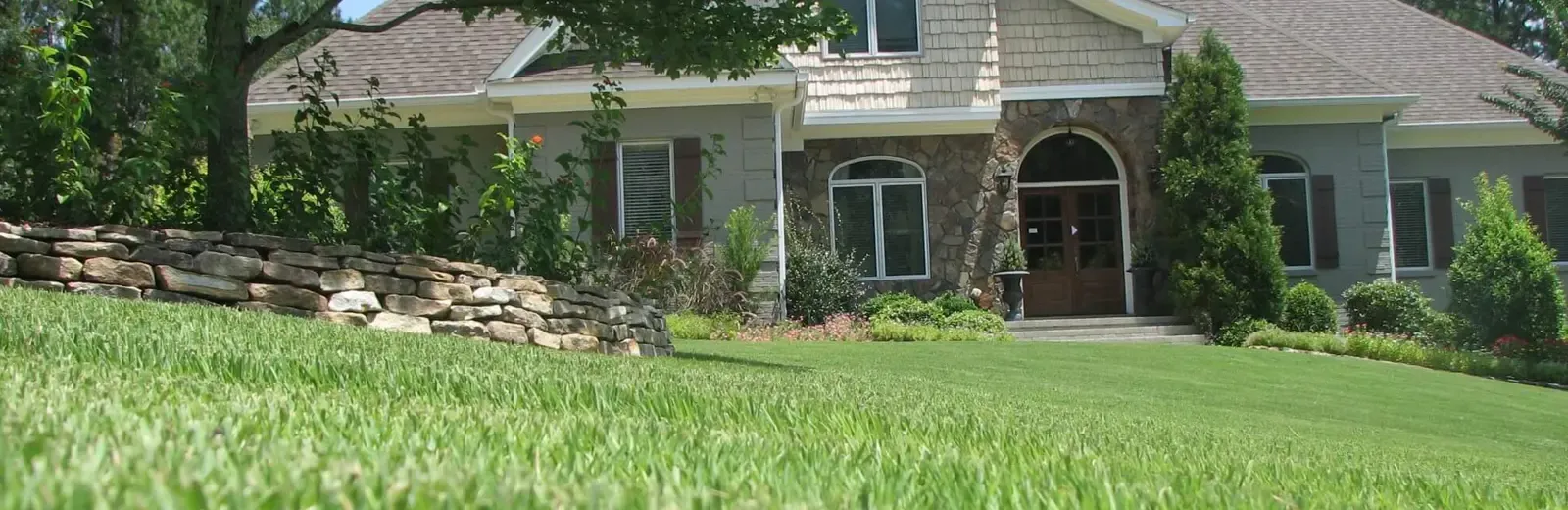
lawn care, house with nice lawn
Emotional Title

Lorem ipsum dolor sit amet. Quo temporibus consequatur non animi reiciendis rem iusto labore. Aut nobis repellendus sed asperiores voluptate cum voluptate suscipit a corrupti commodi est officiis consequatur.

Icon
Image
Eco-Friendly Treatments
Icon
Image
No Contracts

Lawn Fertilization Service in AL

Overview of the service(s), the problem/solution, and the company's value.

  • Problem 1
  • Problem 2
  • Problem 3
  • Problem 4
  • Problem 5
  • Problem 6
Get a Free Estimate
Name
Contact Info
Address

By submitting this form, you are agreeing to the privacy policy.

Validation
Submission

About Our Lawn Fertilization Service

More about individual service, including any broken down information or sub-services. For example, an Aeration & Overseeding service page might want more information on the benefits of Aeration as an H3 and Overseeding as another H3. Other examples could be a Termite Control service page that wants to elaborate more on their Pre-construction Termite Control when a separate service page isn't warranted, a weed control service page that wants to highlight a common local weed that's not a separate service, or a rodent control service page with H3's on mice and rats if there are specific details or pain points that are addressed with the solution, especially from a keyword perspective.

Sub-service 1 Info

lsdfodsf sdlfjdsf

Sub-service 2 Info

sdlkfus addlfdsfsdu

What to Expect When We Arrive

Brief answer to "the why," followed by a bullet list of what customers can expect, or an enumerated list of standard process steps.

  1.  

Frequently Asked Questions

Why is managing standing water important for controlling mosquitoes?

Standing water is the prime breeding ground for mosquitoes, providing a habitat where eggs and larvae develop rapidly. Removing or treating stagnant water areas like puddles, gutters, and birdbaths interrupts the mosquito life cycle. This strategy is critical because it reduces mosquito numbers at the source, lowering the chance of bites and mosquito-borne diseases such as West Nile virus and Zika. Preventative water management enhances the success of other control methods and improves outdoor safety.

What about my vegetable garden?

We take special care around edible plants and can adjust our treatment plan or use food-safe products to protect your garden areas.

What are the key benefits of professional tree and shrub care for home landscapes?

Professional tree and shrub care enhances plant health through proper fertilization, pest management, and disease control. Healthy shrubs and trees improve property aesthetics, increase shade, and boost curb appeal while fostering outdoor biodiversity. Regular care prevents common issues such as pest infestations, nutrient deficiencies, and structural weaknesses. Investing in expert maintenance helps ensure the longevity and vitality of your landscape plants.

What types of lawn care services do you offer?

Our lawn care services are focused on improving the health of your lawn rather than just its appearance. We offer recurring services like fertilization, weed control, and disease prevention to promote a healthy, vibrant lawn throughout the year. However, we do not provide mowing services as part of our offerings. Our goal is to ensure your lawn is strong, resilient, and well-nourished.

How often should mosquito treatments be applied to keep populations under control?

Treatment frequency varies with local climate, mosquito activity, and property conditions, but commonly requires multiple applications during peak mosquito seasons. Consistent follow-up treatments and inspections help catch population rebounds early. Eco-friendly programs often start with an initial assessment and involve scheduled maintenance that minimizes chemical use. Regular control reduces nuisance and health risks effectively throughout the season.

What attracts mosquitoes to my yard?

Mosquitoes are drawn to certain conditions around your yard that provide both breeding grounds and sources of attraction. Here’s what brings them in:

  • Standing Water: Mosquitoes need standing water to lay their eggs. This could be in anything that holds water, like birdbaths, clogged gutters, flower pots, tire swings, or even puddles. It’s important to check for and eliminate standing water regularly.
  • Overgrown Vegetation: Thick shrubs, tall grass, and dense foliage provide shelter for mosquitoes, giving them a cool, humid environment to rest in during the day. Mosquitoes are most active during dawn and dusk but will seek out hiding spots during hotter parts of the day.
  • Shaded Areas: Mosquitoes love shade, especially during hot weather. Areas of your yard that don’t get much sunlight—like under trees, around tall bushes, or near structures—are prime spots for mosquitoes to hide out during the day.
  • Organic Matter and Decaying Plants: Mosquitoes are attracted to decaying plant material where they can find moisture and nutrients. If you have compost piles or dense plant debris in your yard, this can draw mosquitoes.
  • Excessive Moisture: If your yard is constantly damp due to poor drainage or overwatering, this can create the perfect environment for mosquitoes to thrive. Puddles or even wet soil from frequent irrigation can become breeding grounds.
  • Certain Plants: While some plants (like citronella) are known to repel mosquitoes, others—like marigolds, jasmine, and lavender—can attract them due to their fragrance. Consider where you plant these in your yard.
What common pests and diseases affect trees and shrubs, and how are they managed?

Trees and shrubs may face pests like aphids, scale, and borers, as well as diseases such as powdery mildew and blight. Management includes monitoring, targeted insecticidal treatments, proper sanitation, and resistant plant selection. Integrated pest management (IPM) approaches prioritize environmentally sensitive methods that minimize pesticide use while effectively controlling outbreaks. Early detection and treatment prevent widespread damage.

Do I need multiple weed control treatments?

Yes. Weeds grow in cycles, so a single treatment will almost never be enough to eliminate weeds for good. We recommend a season-long weed control program for ongoing prevention and management.

What is lawn aeration and why is it important for maintaining a healthy lawn?

Lawn aeration involves removing small soil plugs to relieve compaction, which improves air, water, and nutrient flow to the grass roots. This process stimulates stronger root growth, resulting in thicker, more drought-resistant turf. Aeration also encourages better fertilizer absorption and reduces runoff, promoting a vibrant lawn. It is especially beneficial for lawns with heavy foot traffic or clay soils that tend to compact over time.

What if it rains after treatment?

Light rain won't affect the treatment once it's dried. However, heavy rain may require rescheduling to ensure effectiveness.

How does fertilization improve tree and shrub growth?

Fertilization supplies essential nutrients that support vigorous growth, root development, and overall plant health, especially in nutrient-poor soils. Tailored fertilization programs based on soil testing provide balanced nutrition that strengthens plants against stress and disease. Over- or under-fertilizing can cause harm, so expert application ensures optimal uptake and benefits. Regular feeding promotes lush foliage, abundant blooms, and stronger resistance to environmental challenges.

How long does it take to see results from weed treatments?

You may see visible results within 7–14 days of treatment, but some stubborn weeds may require follow-up applications. Regular treatments throughout the season ensure the best long-term results.

When is the best time to aerate and overseed my lawn for optimal results?

The best times to aerate and overseed typically fall in spring and fall when temperatures and soil moisture favor seed germination and grass growth. These periods help new grass establish before summer heat or winter dormancy, resulting in denser, healthier turf. Proper timing maximizes recovery and maximizes the effectiveness of overseeding in filling bare spots. Routine seasonal care keeps the lawn strong and resilient.

Will mosquito treatment get rid of all mosquitoes?

No treatment can eliminate 100% of mosquitoes, but our program dramatically reduces their population and activity around your home, making your outdoor spaces much more enjoyable.

When is the best time to schedule tree and shrub care services?

Early spring and fall are ideal times for many tree and shrub care activities, including fertilization and pruning, when plants are preparing for or recovering from dormancy. These seasons minimize plant stress and maximize treatment effectiveness. Pest management treatments may be scheduled according to pest life cycles throughout the growing season. Planning care services seasonally ensures the continuous health and vitality of your landscape.

What are the benefits of using eco-friendly lawn care products?

Eco-friendly lawn care products minimize the use of harsh chemicals, protecting the health of children, pets, and beneficial insects while promoting sustainable landscaping. These treatments often use natural or bio-based ingredients that improve soil and plant health without damaging the surrounding environment. Choosing green lawn care helps maintain a vibrant yard with less environmental impact than conventional methods.

What else can I do to prevent weeds?

A healthy, thick lawn is your best defense against weeds. Regular mowing, watering, and fertilization—combined with professional weed control—can drastically reduce weed growth over time.

How do aeration and overseeding work together to improve lawn health?

Aeration creates holes that improve seed-to-soil contact when overseeding, which boosts germination and encourages thick turf growth. This combination fills patchy areas and helps the lawn outcompete weeds naturally. Together, these treatments enhance lawn density, texture, and color, restoring a healthy appearance. Properly timed overseeding post-aeration helps rejuvenate aging or stressed lawns effectively.

Will this work for my pool area?

Pool areas are common mosquito breeding spots. Yes, professional treatments are much more effective in these areas than DIY solutions, which typically only last 1-2 days.

Can I mow right after a fertilization treatment?

We recommend waiting at least 24–48 hours and watering your lawn before mowing after a fertilization treatment. This gives the product time to activate and absorb properly.

How can soil testing improve the effectiveness of lawn treatments?

A soil test provides critical information about nutrient levels and pH balance, allowing for tailored fertilization and treatment plans that match the lawn’s specific needs. By applying the right nutrients in the correct amounts, soil testing prevents over-fertilization and enhances root development, leading to a thicker, healthier lawn. Understanding your soil’s condition is key to long-term lawn vitality.

What types of weeds do you treat?

We target a wide variety of common lawn weeds, including dandelions, crabgrass, clover, nutsedge, and broadleaf weeds. Our technicians are trained to identify and treat both warm- and cool-season weeds specific to your region.

Can lawn aeration help with drainage and reduce water puddling?

Yes, by loosening compacted soil, aeration enhances water absorption, preventing runoff and puddles that can suffocate grass roots. Improved drainage reduces the risk of fungal diseases and lawn damage caused by standing water. This allows moisture to penetrate deeply into the soil, supporting healthier root development. Aeration is a key step in maintaining balanced soil moisture.

Will you kill beneficial insects too?

This is a valid concern. While some treatments can impact beneficial insects, we offer eco-friendly options that minimize harm to pollinators and other beneficial species.

How often should my lawn be fertilized?

Most lawns benefit from fertilization every 6 to 8 weeks during the growing season. However, the ideal schedule can vary based on your grass type, soil condition, and local climate.

What does a seasonal lawn care program usually include?

Seasonal lawn care programs often consist of scheduled fertilizing, pre-emergent weed control, insect and disease prevention, and pH-balancing treatments such as lime applications. These treatments are timed to match growing cycles and local climate conditions for optimal effectiveness. Regular maintenance throughout the year ensures consistent lawn health and reduces pest and weed problems.

Will the weeds come back?

Weed seeds can remain dormant in your soil, and new ones can blow in from surrounding areas. That’s why ongoing treatments and proper lawn maintenance (like mowing and fertilization) are key to keeping weeds under control.

Are there grass types that should not be aerated?

Certain grasses, such as centipede grass, are sensitive to aeration due to their shallow root systems, which can be damaged by soil disruption. Aerating these grasses can cause stress and negatively impact their growth, so alternative care methods are recommended. Understanding your lawn’s grass type is crucial to selecting safe and effective maintenance practices. Consulting our turf professionals ensures proper treatment tailored to your lawn.

What kind of fertilizer do you use?

We use professional-grade, slow-release fertilizers tailored to the season and your lawn’s specific needs. Our blends promote long-lasting results while being safe for your lawn, family, and pets when used as directed.

How do targeted treatments create healthier, weed-resistant lawns?

Using customized fertilization and weed control treatments strengthens the lawn’s root system, making the grass thicker and better able to crowd out weeds naturally. Healthy lawns are more resilient against pests and diseases, reducing the need for aggressive chemical interventions. Properly timed and precisely applied treatments support the lawn’s natural defenses.

Can I do anything to help reduce mosquitoes between treatments?

Yes—removing standing water (like birdbaths, clogged gutters, or unused containers), trimming overgrown shrubs, and keeping your lawn well-maintained all help reduce mosquito breeding areas.

What are the most effective methods for controlling weeds in lawns and gardens?

Effective weed control combines cultural practices like healthy lawn maintenance and mulching with targeted herbicide applications that selectively eliminate unwanted plants. Pre-emergent herbicides prevent weed seeds from germinating, while post-emergent treatments tackle established weeds. Integrated weed management focuses on minimizing chemical use by promoting dense, healthy turf that naturally suppresses weeds. Regular monitoring and timely intervention reduce weed spread and protect your lawn’s appearance.

Will fertilization get rid of weeds?

While fertilization promotes a thicker lawn that naturally crowds out weeds, we combine it with targeted weed control for best results. Fertilization alone won’t eliminate existing weeds!

What expertise supports Envirogreen’s lawn care programs?

Envirogreen’s team includes horticulture and soil agronomy specialists continuously educated in the latest lawn care innovations and best practices. This scientific and practical expertise guides program development, ensuring treatments are both effective and environmentally responsible. Our commitment to expert lawn consultations reassures clients that their lawns are receiving professional, knowledgeable care.

Do I need to be home during treatment?

No, our technicians can treat your property while you're away. We'll coordinate timing that works for your schedule.

How do pre-emergent and post-emergent herbicides differ in weed management?

Pre-emergent herbicides stop weed seeds from sprouting by creating a chemical barrier in the soil before weeds emerge, making them ideal for early-season application. Post-emergent herbicides work on actively growing weeds, targeting leaves and stems to kill established plants. Using both types in a coordinated weed control program ensures prevention and removal throughout the growing season. Understanding weed life cycles helps in timing herbicide use effectively for the best results.

How do I know if my lawn needs professional care?

Every lawn can benefit from ongoing care, regardless of its current condition. Professional lawn care helps maintain a healthy, lush lawn, prevents common issues like weeds or pests, and improves overall appearance. Even if your lawn seems fine, regular maintenance can keep it thriving year-round. If you’re noticing signs like uneven growth, thinning grass, brown patches, or insect problems, it may be time for professional care to get your lawn back in top shape.

What are the most effective mosquito control methods to lower mosquito populations?

Effective mosquito control targets both adult mosquitoes and their breeding sites by eliminating standing water, applying biological larvicides, and deploying traps that disrupt mosquito life cycles. Avoiding toxic fogging preserves beneficial insect populations and reduces environmental harm. Integrated mosquito management combines multiple strategies tailored to the local environment to achieve sustainable population control. Regular monitoring and treatment adjustments maintain effectiveness.

How long before I can use my yard after treatment?

Re-entry times vary by product type and your specific landscape. We'll provide specific guidance based on the treatment used - typically it's safe once surfaces are dry, but we'll give you exact timing.

How does maintaining healthy turf help prevent weed growth?

Healthy, dense turf creates competition for space, sunlight, water, and nutrients, which naturally inhibits weed seed germination and growth. Proper fertilization, watering, mowing, and aeration strengthen grass vigor and cover bare soil where weeds often establish. A well-maintained lawn is less susceptible to weed invasion, reducing the need for chemical interventions. Consistent lawn care practices are a fundamental part of long-term weed control.

How do I prepare my landscape for a treatment?

There’s no need to prepare your landscape for treatment! However, you will likely need to water your lawn or landscape after the treatment to help the products work effectively and ensure results.

How can I safely get rid of mosquitoes without harming my garden?

Many people want mosquito control solutions that avoid driving away beneficial insects such as bees and butterflies, which are essential for pollination. Eco-friendly mosquito control methods use targeted traps, biological larvicides, and habitat management instead of broad chemical sprays. These approaches protect both your family’s health and the surrounding ecosystem while effectively reducing mosquito populations. This balance supports a healthy yard and reduces the risk of pesticide exposure.

How soon can I expect to see results?

Many customers notice a significant drop in mosquito activity within 24–48 hours after the first treatment. Consistent service helps maintain control all season long.

When is the best time to apply weed control treatments for maximum effectiveness?

Weed control timing depends on the target species but often involves applying pre-emergent herbicides in early spring before weed seeds germinate and post-emergent treatments during active weed growth in late spring or fall. Outside these windows, treatments may be less effective or harmful to desirable plants. Applying treatments according to seasonal weed growth cycles maximizes control while minimizing environmental impact and lawn stress.

Is there anything I will need to do to ensure results of my lawn care program?

Yes. While our fertilization, weed control, and disease prevention treatments will significantly improve your lawn’s overall health and appearance, regular mowing and watering - as well as proper drainage - are essential to maximize the benefits. Mowing helps keep your lawn at an optimal height, and consistent watering ensures your grass gets the moisture it needs to thrive. Drainage in your yard is also important as poor drainage can cause turf diseases. All this to say, our lawn care service should be part of your lawn regimen - but not the only thing!

Get Started Today! Call us at 334-246-3131 or
Image
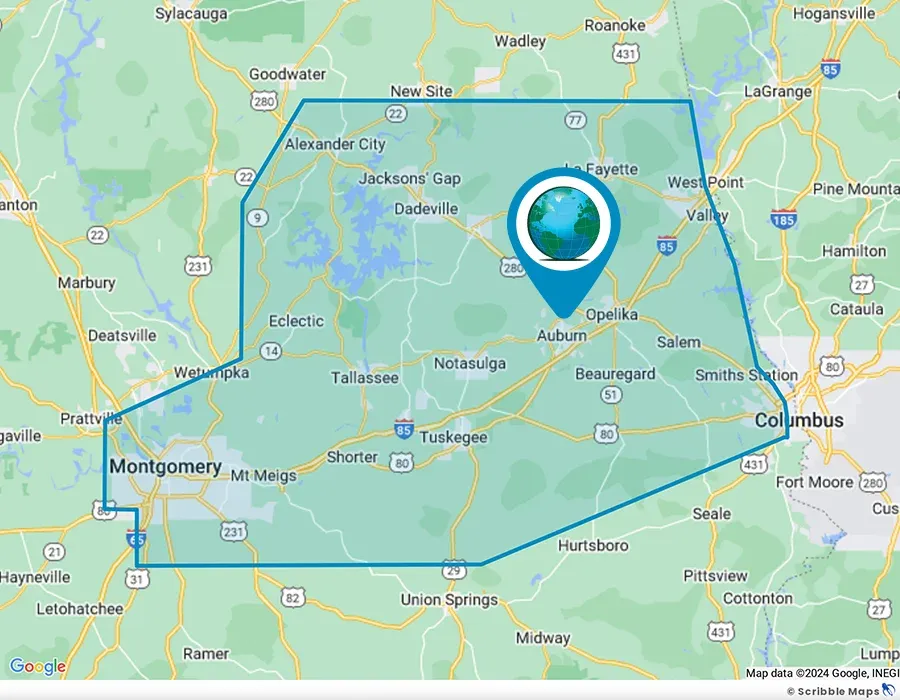
Enviro Green Service Area Map Alabama

Areas We Service in Alabama

Our dedicated team is committed to providing outstanding lawn care services to communities throughout Eastern Alabama. Experience the difference of local expertise and personalized solutions, ensuring your yard looks its best all year round.

Reviews
5 Star Review

Our yard has been in very bad shape since we bought it in February 2018. Envirogreen began work on our grass in March 2020 and told us that we would have a green, full-grown lawn by August. It is now July, and our grass has never looked better. So far, they have completed pre-fertilization, fertilization, and aeration. Caleb and his team are friendly, professional, and experts in their field. My husband and I highly recommend Envirogreen!

Grayson Bailey Morrison
Waverly Office
5 Star Review

I’m very impressed with the results I’ve got after just the first few treatments. The people are awesome and very helpful and they make sure they take good care of your yard. They were very quick and responsive when I needed them to come out and one of the most affordable places around. Definitely Recommend!

jake banks
Waverly Office
5 Star Review

Envirogreen is run by some of the best people around. Down to earth, friendly, knowledgeable. They have treated our yard for nearly four years and I just had someone last week tell me me how happy they are we are the first yard people see pulling in our side of the neighborhood because it always looks so good. Highly recommend!

Matt Dabbs
Waverly Office
Get a Free Estimate
Name
Contact Info
Address

By submitting this form, you are agreeing to the privacy policy.

Validation
Submission