
Quick Answer
Mosquitoes are more than a summer nuisance in Alabama. The Culex and Aedes species common here can carry diseases like West Nile virus, and the state's warm, humid climate keeps them breeding from spring through fall. Standing water anywhere on your property, from clogged gutters to forgotten planters, is enough to start a new generation.
Identification
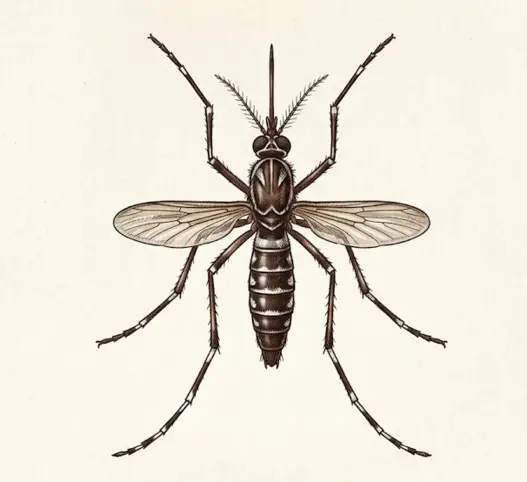
Two species drive most of the mosquito pressure in Alabama yards, and they behave differently enough that it helps to know which one you're dealing with. One bites mostly at dusk and after dark, the other is active in broad daylight.
| Species | Behavior | Breeding Site |
|---|---|---|
| Culex | Active dusk through night; primary carrier of West Nile virus | Stagnant or polluted water, like clogged gutters or drains |
| Asian tiger mosquito | Aggressive daytime biter, dark body with white stripes | Small containers, like buckets, tires, and plant saucers |
Signs Of Infestation
Birdbaths, clogged gutters, kiddie pools, or plant saucers are common breeding spots.
Getting bitten during the day usually points to the Asian tiger mosquito.
Activity right at sunrise or sunset is more typical of Culex mosquitoes.
Dense vegetation and shaded, moist spots are where adults rest during the heat of the day.
Risks And Damage
Alabama's mosquitoes are documented carriers of West Nile virus, Eastern equine encephalitis, and other mosquito-borne illnesses, per the Alabama Department of Public Health. Beyond the health risk, consistent mosquito pressure can make a yard unusable for most of the warm season, especially in shaded or low-lying properties near standing water.
Worth knowing: only female mosquitoes bite, since they need a blood meal to produce eggs. Reducing standing water breaks that reproductive cycle at the source.
Prevention Tips
- Empty standing water weekly from gutters, planters, birdbaths, and kiddie pools
- Trim back dense, shaded vegetation where adult mosquitoes rest during the day
- Repair or install screens on windows and doors
- Use an EPA-registered repellent outdoors, especially at dawn and dusk
- Schedule seasonal mosquito treatment ahead of Alabama's peak summer months